The Evolution of Solar Panels and How They Benefit Us Today
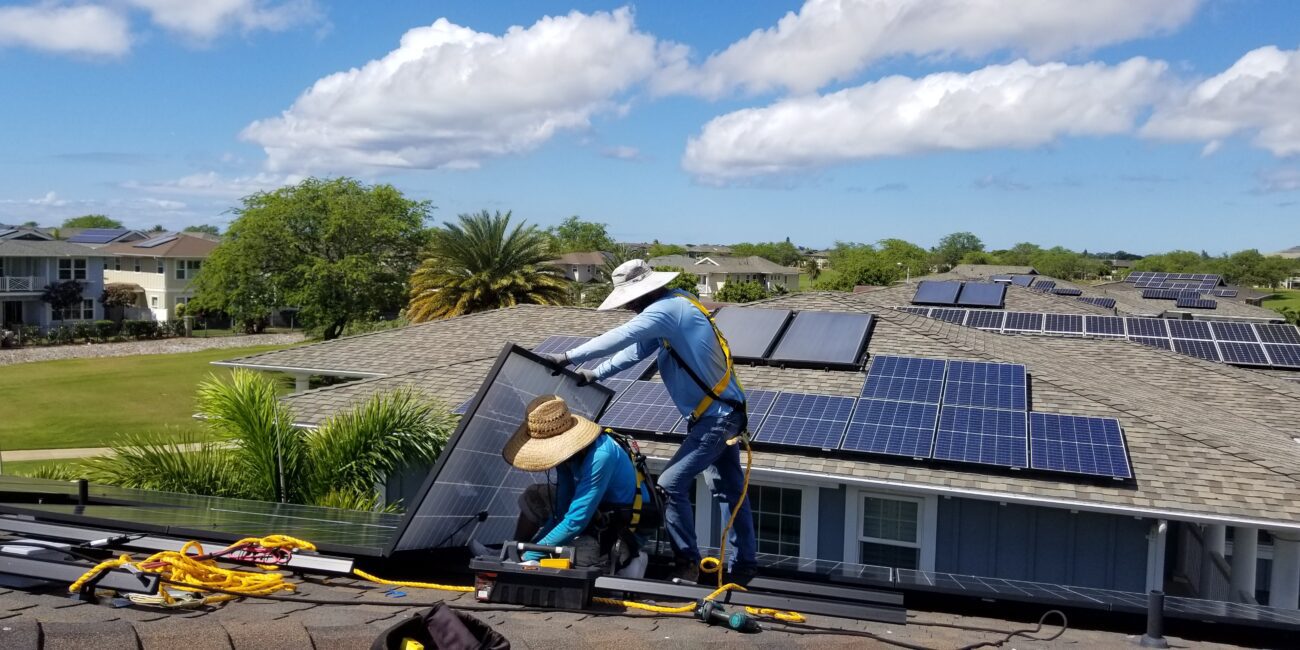
As the world searches for cleaner and more sustainable energy sources, solar power has emerged as one of the most promising solutions. Solar panels, which convert sunlight into electricity, are now a common sight on rooftops, businesses, and solar farms. However, the technology we see today is the result of nearly two centuries of scientific discoveries and technological advancements.
The Early Days of Solar Energy
The journey of solar energy began in 1839 when French physicist Alexandre Edmond Becquerel discovered the photovoltaic effect—the process by which sunlight can be converted into electricity. Although this discovery was groundbreaking, it would take many years before it could be applied in practical ways.
In 1883, inventor Charles Fritts built one of the first solar cells using selenium coated with gold. While innovative, these early solar cells were highly inefficient and generated only a small amount of electricity.
A Major Breakthrough
The modern era of solar energy began in 1954 when researchers developed the first practical silicon solar cell. This invention significantly improved the efficiency of solar technology and demonstrated that solar power could be used as a reliable source of electricity.
Initially, solar panels were very expensive and were mainly used in space missions to power satellites. Their ability to generate electricity without fuel made them ideal for use in space.
The Rise of Solar Power
During the 1970s, concerns about energy shortages and rising fuel costs increased interest in alternative energy sources. As research continued, solar panels became more efficient, affordable, and widely available.
Advancements in manufacturing techniques helped reduce production costs, allowing solar technology to move beyond specialized applications and into homes and businesses. Governments around the world also began supporting renewable energy through incentives and policies.
Solar Panels in the Modern World
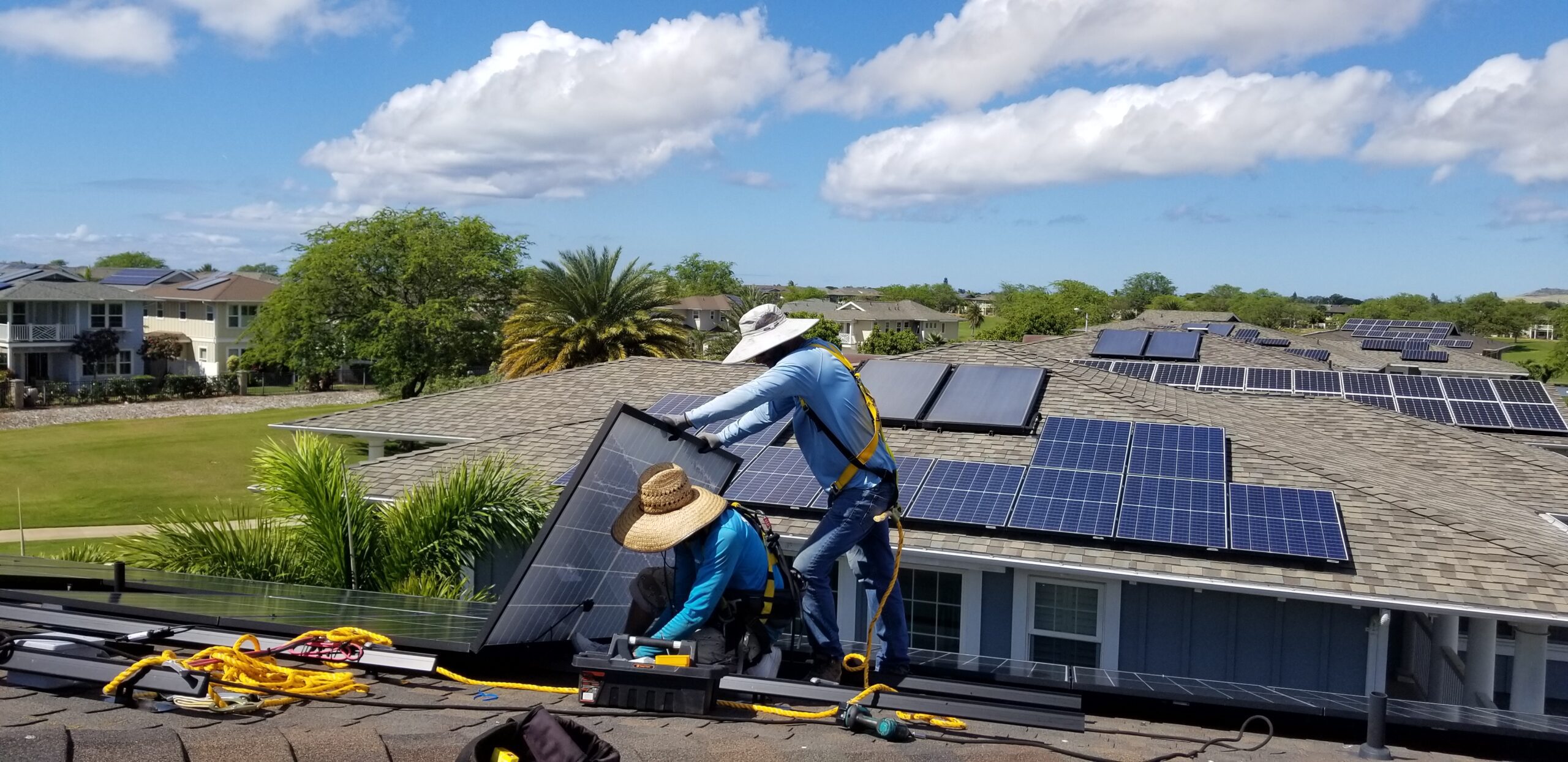
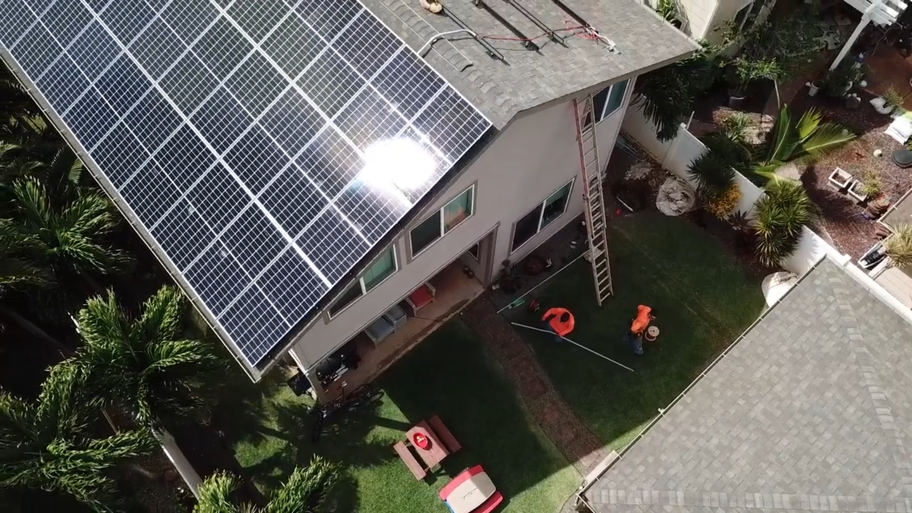
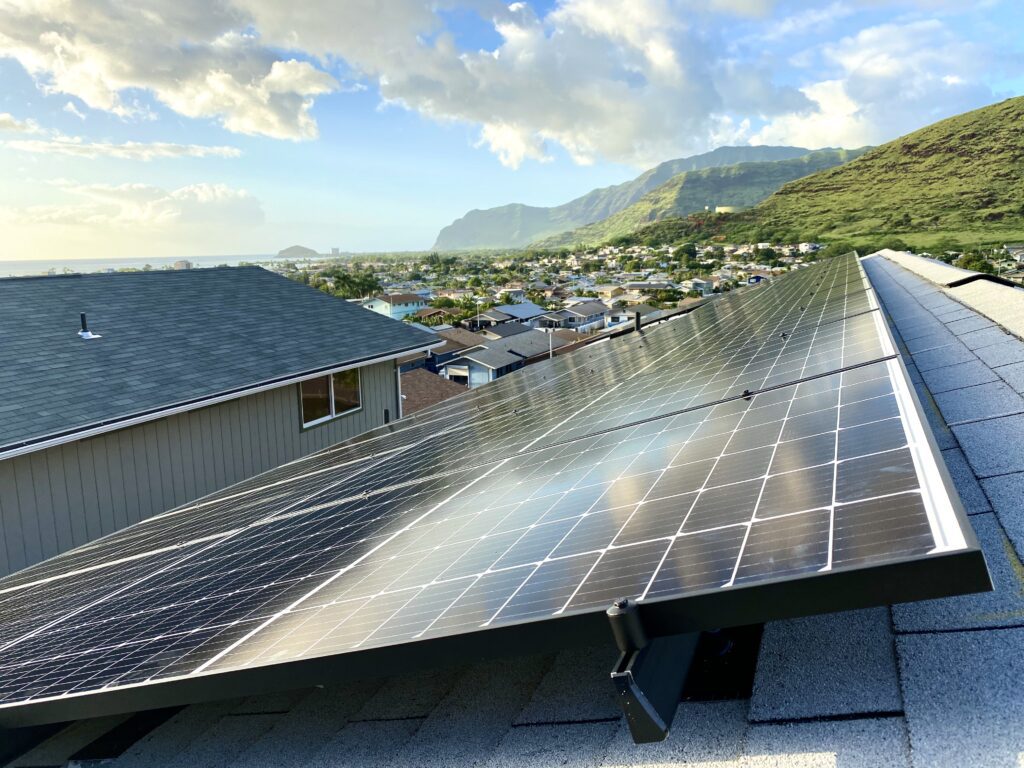
Today, solar panels are more powerful and affordable than ever before. Modern systems can efficiently convert sunlight into electricity and often last for more than 25 years. Innovations such as battery storage and smart energy systems have further increased the value of solar power. Solar energy now plays a significant role in global efforts to reduce dependence on fossil fuels and transition to cleaner energy sources.Benefits of Solar Panels Today
- Clean and Renewable
Energy Solar panels produce electricity without releasing harmful greenhouse gases, making them an environmentally friendly energy source. - Reduced Energy Costs
By generating their own electricity, homeowners and businesses can lower their monthly utility bills and reduce long-term energy expenses. - Energy Independence
Solar power helps communities and countries rely less on imported fuels, improving energy security and stability. - Economic Growth and Employment The solar industry creates jobs in manufacturing, installation, maintenance, engineering, and research, contributing to economic development.
- Access to Electricity
Solar technology provides reliable power to remote and rural areas where traditional electricity infrastructure may be unavailable or too costly to install.